


As an American living in Rome, I’m surprised when tourists are hesitant to take public transportation here. Like many European cities, Rome has an extensive public transit network, comprising three metro lines, commuter trains, and countless trams and buses that crisscross the city. Public transit may not always be the most comfortable way to get around, especially during rush hour, but it’s definitely less expensive and often faster than taking taxis, which can get blocked by traffic or road closures.
Unless I’m visiting a place that’s small enough to be fully walkable or a rural area without public transportation, I opt for these systems to get around in European cities. I’ve navigated the Tube in London, the metro in Milan, Naples, Paris, Vienna, and Berlin, and hopped on the vaporetti that ply the canals of Venice. In some cities, like Lisbon, riding the vintage trams is part of the fun of visiting. That said, there are some common mistakes tourists make when taking public transport in Europe. These are the errors to avoid.
Not Buying the Right Ticket
Luis Alvarez/Getty Images
Many European cities, including Rome, Paris, Berlin, Amsterdam, Vienna, Madrid, and Prague, have integrated tickets you can use on the metro, buses, trams, and some suburban commuter trains. A single fare usually includes transfers, but has a time limit (i.e. it’s valid for up to 90 or 100 minutes).
In some cities, the ticketing system is a bit more complicated. In London, for example, the fares vary based on zone, whether you’re traveling during peak or off-peak hours, and even how you pay. Buy a ticket for Zone 1 (the city center) during off-peak hours with a contactless card or Oyster card and you’ll pay 3 pounds, but buy a paper ticket with cash and you’ll pay 7 pounds for the same ride.
“A lot of people think we still do paper ticketing, so they queue up for absolutely no reason when you can just do everything on your debit and credit card now, especially on the Tube,” says Luke Abrahams, a London-based freelance journalist who has traveled all over Europe. “You get all of this unnecessary congestion because people automatically assume they’ve got to get the paper ticket to get through.”
Not Validating Your Ticket
If you’re traveling somewhere that doesn’t have contactless payment set up, you might still have to buy paper tickets. Just keep in mind that, if you do, you usually have to validate your ticket with a time stamp. On the metro, this is generally easy, as your ticket is automatically validated when you go through the turnstiles. On buses and trams, however, you may need to locate the machines that validate tickets. Always take your validated ticket with you because you might be asked to show it to inspectors or reinsert it when you exit.
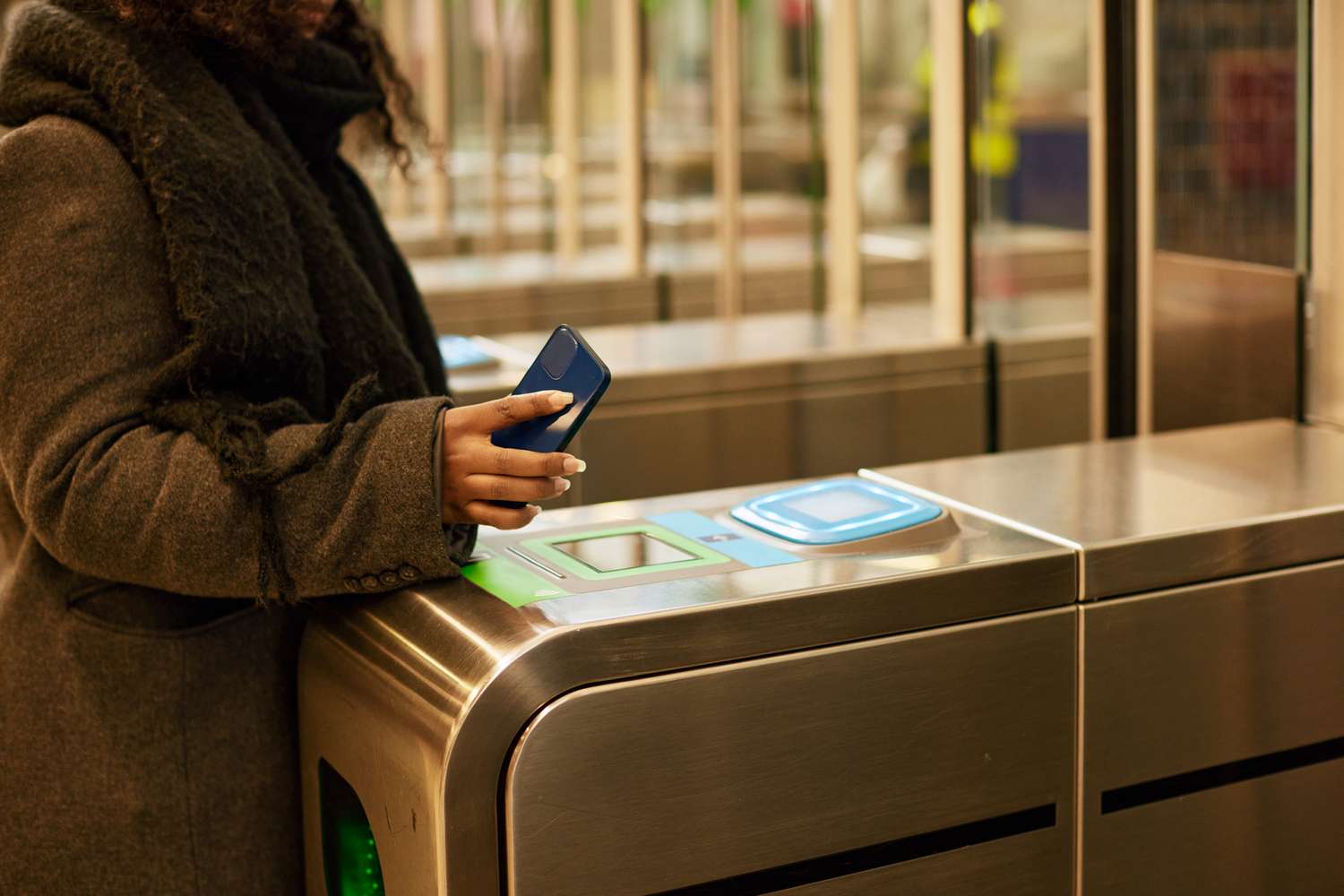
In cities where contactless payment is becoming the norm, you don’t need to go through any extra steps to validate tickets because the time will get logged with your purchase. If there are both options, like in Rome, you still need to validate your paper ticket, but you can avoid the hassle by tapping your contactless card or payment app on your phone at the turnstiles on the metro and machines on buses and trams. If you need to tap out, make sure to use the same card you used to enter.
Not Considering a Transit Pass
Maria Korneeva/Getty Images
If you plan to rely heavily on public transit, it could be more cost effective to buy a daily or weekly pass for unlimited rides. “You don’t have to fiddle around with tickets, it’s typically affordable, and you can go on as many metros as you want, which makes it really easy to see a city in a short amount of time,” says Jasper Verlaan, head of global sales for Macs Adventure, which plans self-guided hiking and rail tours of Europe.
Not Carrying Any Cash
Verlaan advises always being prepared with cash in case you’re traveling somewhere that doesn’t have contactless payment set up, doesn’t accept your type of credit card, or doesn’t take cards at all. And don’t expect to be able to pay with American dollars. Most countries in Europe use the euro, but some still have their own currency, including the U.K., Switzerland, Denmark, Sweden, Norway, Hungary, Poland, Romania, Bulgaria, and the Czech Republic.
Going in the Wrong Direction
Denis Mamin/Getty Images
Metros in Europe often show the end-of-line station names, not uptown/downtown, so before hopping on, check to make sure you’re going in the right direction. Maps may show metro lines in different colors, but that’s usually just for illustrative purposes. Sometimes, however, the same line splits off into two different branches. Take some time to study the metro map of the city you’re visiting; they’re usually posted in the stations.
Using the Wrong App
Google Maps is great for navigating public transit systems, but other apps like Moovit and Citymapper come in handy with features like real-time updates. Some cities, like London, have their own transit apps that are more helpful than the third-party options. Abrahams recommends using London’s local app, TfL Go, explaining, “It doesn’t use any third parties like Citymapper. It will just bring up the most accurate route.”
Verlaan, on the other hand, prefers Google Maps because it’s possible to limit data usage. “You can start the navigation in your hotel room on the W-iFi, and it will work with GPS, which all phones have,” he says. Otherwise, he recommends purchasing an eSIM.
Being an Easy Target for Pickpockets
princigalli/Getty Images
While European cities are generally very safe, pickpocketing is still a problem in some places, and tourists who look confused or distracted can be easy targets. You don’t necessarily need a money belt, but keep your wits about you. If you’re wearing a crossbody bag, keep it in front of you and within view at all times. Take backpacks off on trains and buses, and make sure the zipper is shut. Don’t leave your wallet, phone, or valuables exposed in your back pocket.
“Our biggest mobile phone crime is around Oxford Circus, particularly when you come out of the Tube and start taking photos of the crossroads or the big department stores like Selfridges,” warns Abrahams. He says to look out for “gangs on bikes who have their hoods on or are wearing COVID-19 masks,” and if you see any, “put your phone away because it is a massive problem now.”
Assuming Public Transit Operates 24/7
Unlike in New York City, the metro in most European cities doesn’t run all night long, so check when the last trains depart. In Rome, the last trains leave the station at 11:30 p.m. Sunday through Thursday and at 1:30 a.m. on Fridays and Saturdays. In London, select lines run all night on Fridays and Saturdays. There might be night buses in cities where the metro closes, but they typically run less frequently than the train and might not be as safe.
Blocking the Doors, Escalators, or Turnstiles
When using public transit as a tourist, be mindful that many locals rely on these systems to get around, too—and they’re probably in more of a hurry than you are. A few pet peeves for Abrahams are when people stand on the left side of the escalator, block the turnstiles while checking a map, or fumble for the card they need to tap out. He points out that if people obstruct the doors of the train cars, the ride is delayed for everyone.
Read the full article here