


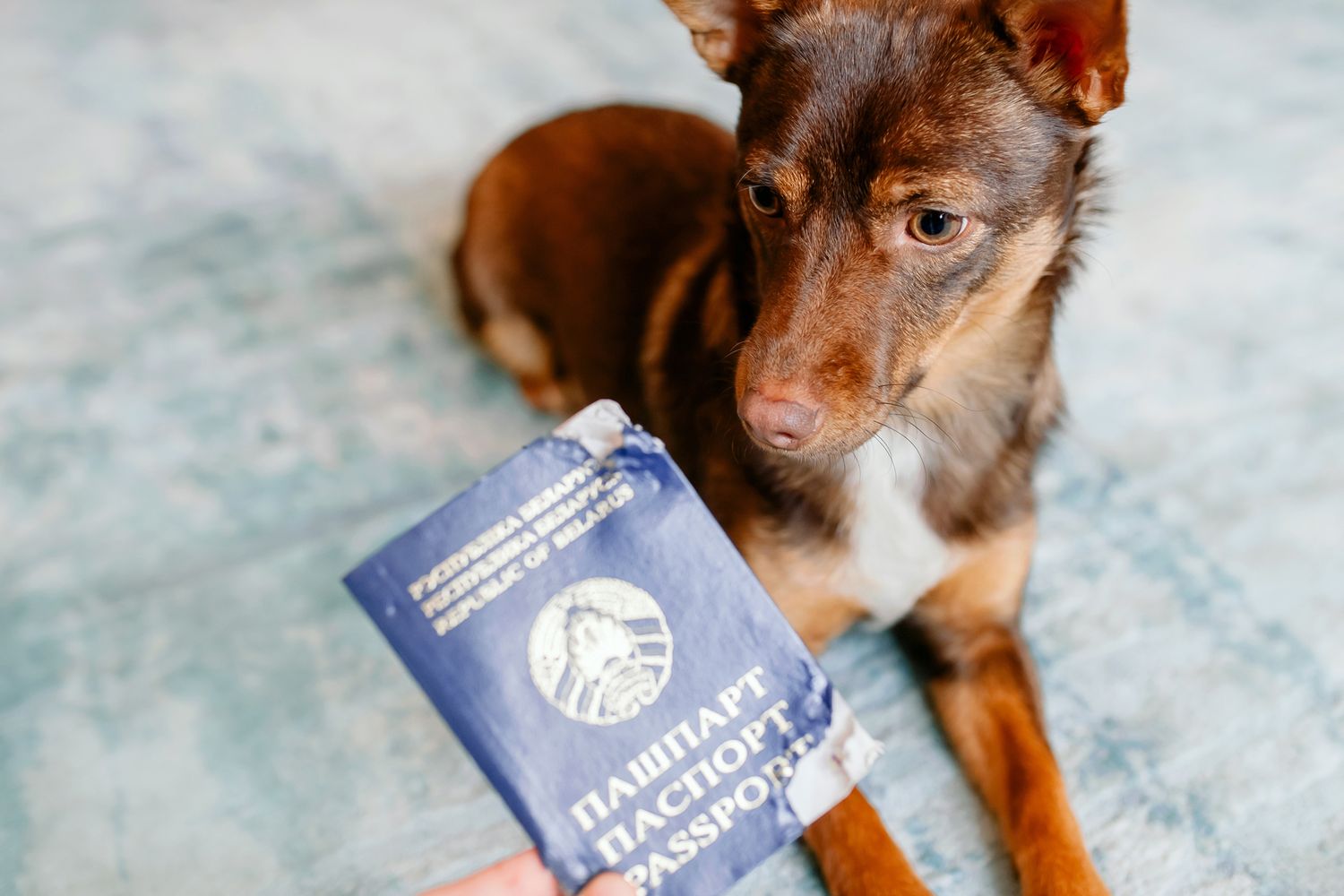
A damaged passport can throw a wrench into even the best-planned international trip—and most travelers don’t realize how fragile these booklets really are. Something as small as a bit of water damage or a torn edge can raise questions at the airport, even if the traveler thinks the passport looks perfectly fine.
Ravi Kumar, owner and global passports and visas advisor at A1 Passport & Visa Services in New York City, puts it bluntly: “Traveling with a damaged passport can be a real headache. Airlines and immigration authorities can deny boarding or entry if your passport is damaged, even if it’s just a minor issue.”
What counts as passport damage?
Many travelers assume “damage” means something extreme. But according to U.S. government standards—and the experts who work with passports every day—the threshold is much lower. Kumar notes that damage can include torn or missing pages, water damage or stains, faded or smudged ink, broken or unreadable chips, and unauthorized marks or alterations, including, unbeknownst to many, seemingly innocent souvenir stamps.
kledge/Getty Images
Can you still fly with a damaged passport?
There’s no universal rule guaranteeing you’ll be allowed to travel with a damaged passport, which is why so many travelers get caught off guard. The decision often comes down to the airline—and, in many cases, the individual agent evaluating your document. In reality, that means a passport that looks acceptable to one person may raise concerns for another.
Travel expert Tiffany Funk, cofounder and president of Point.me, says this inconsistency is exactly what makes flying with a damaged passport so risky and often unpredictable. “The gray area is where it gets complicated,” she says. “While you may be able to travel with a damaged passport once, another agent may make a different call and decide the damage is too significant.”
What to Do If Your Passport Is Damaged
Kumar recommends treating any suspected damage seriously, even if it looks minor to you. With this in mind, he advises travelers to:
- Assess the damage: Determine if it’s minor or significant.
- Contact a passport agency: Reach out to your local passport agency or embassy for guidance.
- Apply for a replacement: Submit Form DS-11 with proof of citizenship and identification.
If the damage is visible or significant—torn pages, water exposure, stains, or a malfunctioning chip—a replacement is the only safe route. It’s also worth noting that damaged passports cannot be renewed by mail; they must be renewed in person.
“If you’re within six weeks of your trip, you can opt for expedited mail-in processing,” Funk tells Travel + Leisure. She notes that travelers cutting it even closer still have options: “If you are within 14 days of your trip, you can make an appointment at one of more than two dozen passport offices around the U.S. for urgent processing.” Kumar notes that there are also third-party expeditors who can help with urgent passport replacements.
How to Prevent Passport Damage
A surprising amount of passport damage comes from simple, preventable mistakes—bag spills, forgotten pockets going through the washing machine, or even a child treating the pages like a coloring book. Ultimately, says Kumar, the best way to avoid these issues is to store your passport securely, keep it dry, and make sure nothing bends or presses on it, including back pockets or overstuffed bags. He also recommends purchasing a protective passport holder.
The Bottom Line
Damaged passports are among the most common—and least anticipated—reasons travelers are denied boarding. To avoid the headache, Funk offers simple advice: “When in doubt, just get it replaced.” Besides, she says, “It’s better to take that step than find out 45 minutes before your dream trip that you’re not able to travel until you get a new passport.”
Read the full article here