


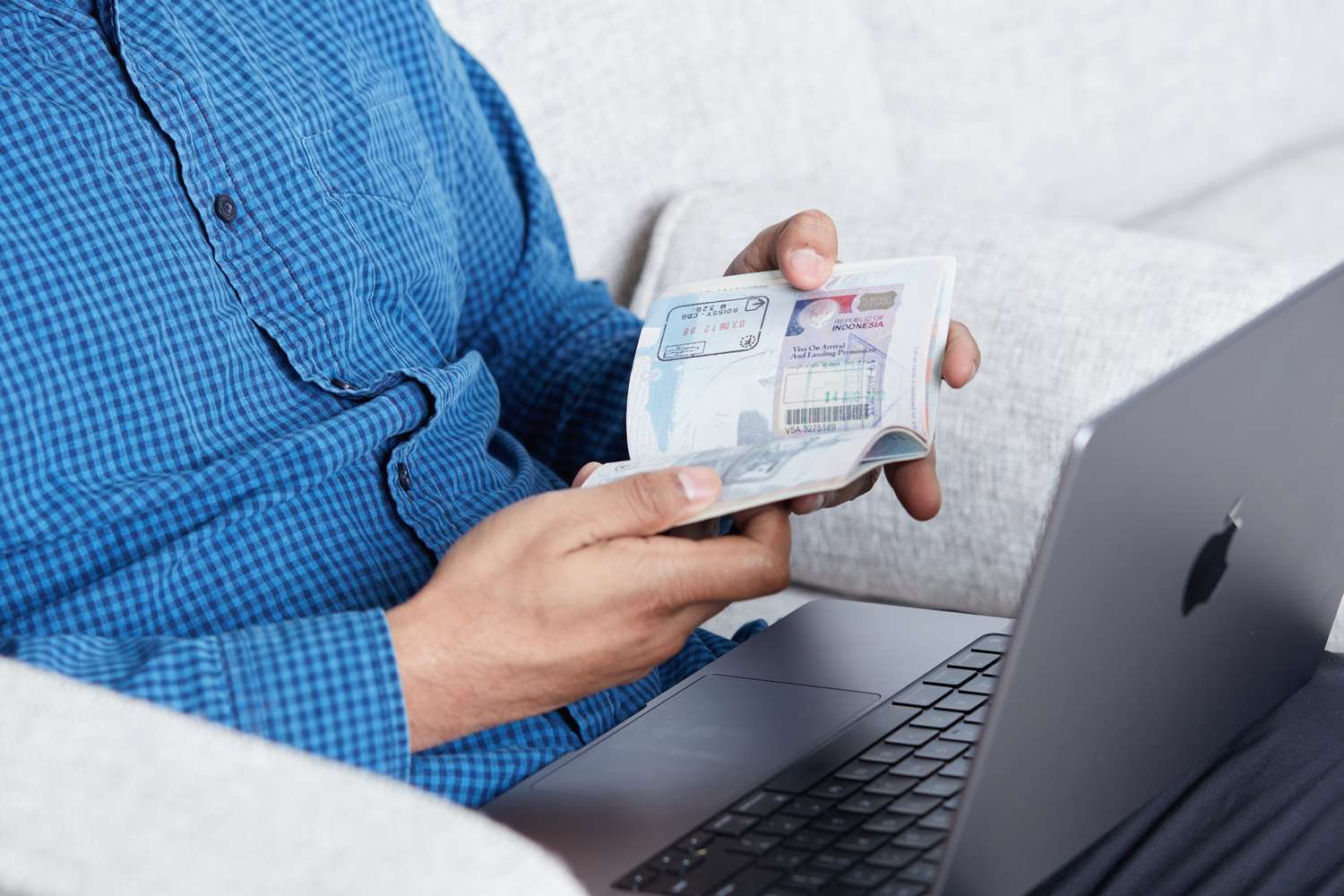
- A souvenir passport stamp can be seen as an unauthorized alteration and may lead to denied boarding or entry.
- Border officials and airlines often interpret passport damage differently, which makes any unofficial mark a travel risk.
- To avoid any issues but keep the memories, place any souvenir stamps in a travel journal.
Of all the travel mistakes you can make, few feel more harmless than a souvenir stamp. It’s not a fake visa or a forged seal—just a little ink from a gift shop. Yet that same “fun” stamp can be the difference between boarding your flight home and being stranded in a foreign country.
Across many borders, immigration officers are trained to scrutinize passports for unauthorized alterations or markings. So that seemingly innocent Machu Picchu stamp—one of the most popular souvenir stamps around—could be viewed not as a harmless keepsake but as an unauthorized alteration that might jeopardize your ability to travel.
As border procedures become more automated—think: fingerprinting and face scans—scrutiny is only getting tighter. Here’s what you should know before getting that souvenir passport stamp.
How “Damage” Is Defined
According to the U.S. Department of State, damage includes “stains from a liquid, a significant tear, unofficial markings on the data page, missing visa pages (torn out), or a hole punch.” In practice, what counts as “damage” isn’t always clear-cut, and different countries may have different standards. A mark that one border agent ignores might lead another to reject your document entirely. That uncertainty makes souvenir stamps risky since you never know how they’ll be interpreted next.
tupungato/Getty Images
Passport Invalidation
On page five of your U.S. passport, there is a clear printed notice stating that only authorized immigration or consular officials are permitted to place stamps or notations on its pages. Any unofficial or decorative mark—including, of course, souvenir stamps—violates that rule and can render the document invalid.
Many travelers have learned this lesson the hard way. In fact, there are dozens, if not hundreds, of horror stories circulating across Facebook, Reddit, and other platforms about individuals being questioned at check-in by airline agents or, worse, denied entry altogether.
Denied Entry or Boarding
Once a passport is deemed invalid, it opens up a Pandora’s box of travel complications. According to the International Air Transport Association (IATA), airlines are required to verify that each passenger holds valid travel documents. Otherwise, they risk hefty fines—and because of that, most carriers err on the side of caution by potentially denying boarding over seemingly minor passport damage or markings.
According to the State Department, altered passports are among the most common types of passport fraud. Additionally, even a seemingly innocent decorative stamp can obscure official entries or conceal a legitimate visa, and it can also interfere with optical scanners that read built-in security features.
What to Do If It Happens to You
Even if no one suspects wrongdoing, an unauthorized mark can still violate the passport’s terms of issuance. Because assessments are subjective, one border or airline official might overlook it, while another could label the document “damaged” and refuse it entirely.
If you find yourself flagged for a damaged or altered passport, there’s no need to panic immediately; however, you should act quickly. Start by asking the airline or immigration officer to explain exactly what the issue is. Sometimes, a supervisor can make a discretionary call if the mark seems minor.
Keep in mind that when an airline or border officer calls your passport “invalid,” it usually means they’re refusing to accept it for travel—not that it’s been officially canceled. They can reject it if it appears damaged or altered, but only the U.S. Department of State can formally revoke or invalidate a U.S. passport.
If that happens while you’re abroad, your embassy or consulate can assist by verifying the status of your passport through the State Department system and, if necessary, issuing an emergency or limited-validity passport to enable you to continue your trip or return home. Pro tip: It’ll save time to have another form of photo ID (such as a driver’s license), your flight details, and proof of citizenship (like a photocopy of your birth certificate or a passport information page) on hand.
Once you’re back home, replace your damaged passport right away to avoid any further travel disruptions. Expedited processing is available in most countries, and it’s far cheaper—and less stressful—than missing your next trip.
The Bottom Line
Before you hand over your passport for an unofficial inking, remember: it’s a legal document, not a scrapbook. If you want to collect stamps, pick up a travel journal instead.
Read the full article here