


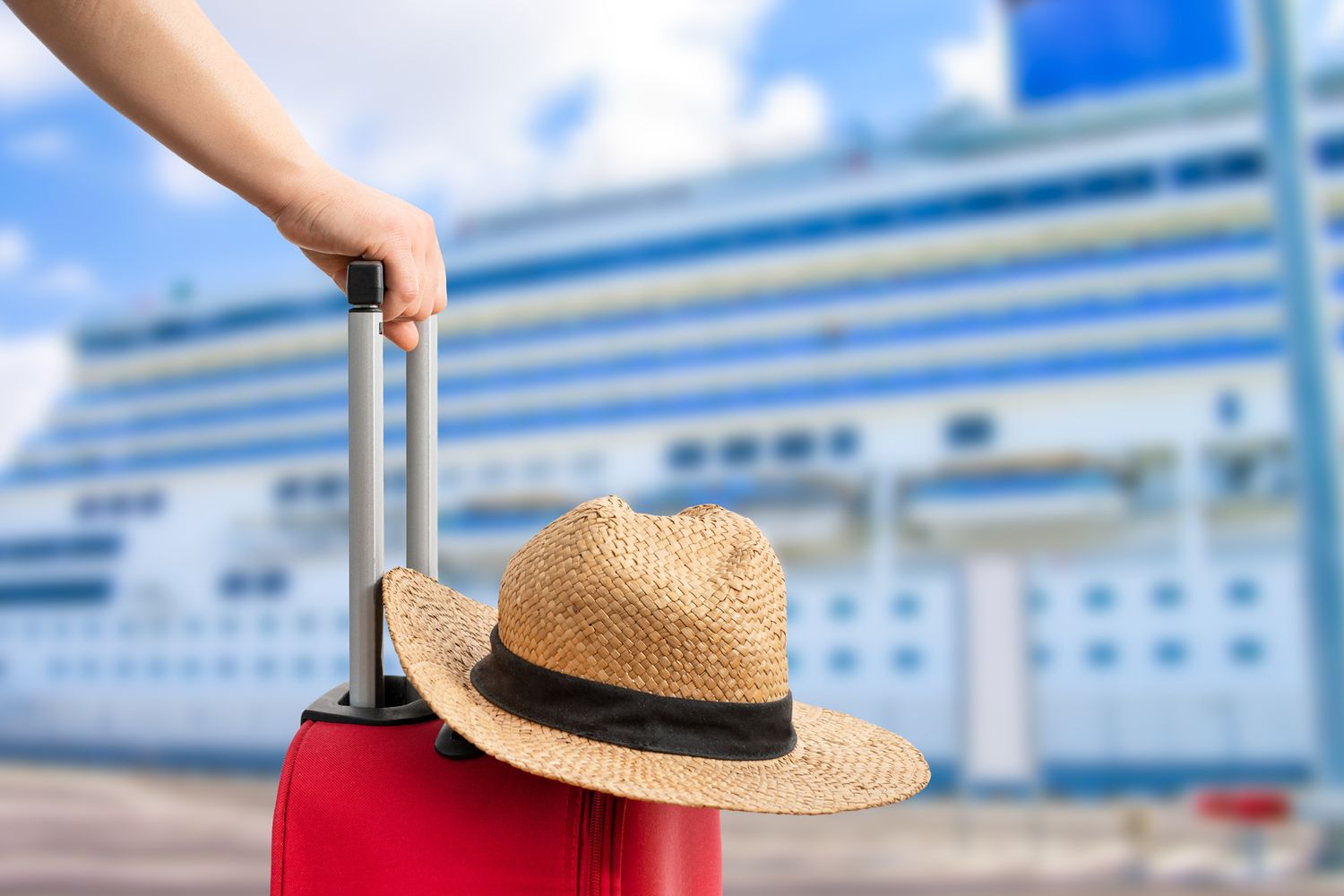
Both cruises and all-inclusive resorts promise stress-free vacations, thanks to upfront pricing and built-in entertainment. But despite similar perks, the travel experiences couldn’t be more different. Choosing between a floating resort that whisks you between several ports and a property that promises everything in one place depends on personal travel style. Do you crave variety and a busy schedule, or prefer settling into a single destination? Do you thrive with structure, or prefer flexible days at your own pace?
“Satisfaction usually comes down to understanding the kind of experience a traveler truly wants—structure versus flexibility, exploration versus relaxation, and how much variety matters to them,” says travel advisor and owner of MEI Travel, Beci Mahnken. “Regret most often happens when expectations don’t align with the vacation style that was chosen.”
Here’s what you need to know about cruises and all-inclusive resorts to pick your ideal vacation.
The Case for Cruises
David C Tomlinson/Getty Images
Cruises are best for people who want to see multiple destinations without coordinating separate travel plans. Once aboard, your accommodations follow you, letting you wake up somewhere new without ever having to repack. This flexibility is a major draw for many travelers, allowing you to seamlessly visit more destinations in a short period of time. And it’s not just what you’ll experience on land—cruise ships serve as entertainment hubs with onboard theaters, music venues, pools, kids clubs, casinos, and multiple dining options.
“Travelers who prioritize exploration, variety, and entertainment—such as families, multigenerational groups, and first-time international travelers—often gravitate toward cruising because it offers multiple destinations with built-in activities for all ages,” Mahnken explains.
Cruise fares usually include accommodations, transportation between ports, dining, and onboard entertainment. This can be a strong value when evaluating price per person and per day, especially for longer trips or economical rooms. “Cruises are sometimes perceived as more expensive than they actually are when you look at how much is included in the base fare,” Mahnken notes. Comparing cruise pricing to booking hotels, meals, and transportation separately often reveals just how much is bundled into that upfront cost and makes budgeting in advance more manageable.
However, cruises aren’t without downsides. Port days can feel rushed, leaving passengers limited time to explore destinations independently or signing up for often costly shore excursions. Popular sailings can also feel crowded, particularly during peak travel seasons and school vacation weeks. Some cruise lines also offer less flexibility, with set dining times and show schedules that tend to fall within fixed windows, which can feel restrictive to travelers who prefer spontaneity. Many travelers also underestimate the cost of extras, such as specialty dining reservations, alcohol packages, Wi-Fi, excursions, spa treatments, and gratuities, which can add up quickly. Travelers wanting premium onboard experiences should plan ahead and budget for them. And while modern ships are designed for stability, motion-sensitive travelers should think twice about booking certain routes to ensure they have the smoothest sailing. Still, for travelers who enjoy somewhat structured days filled with activity and the excitement of waking up somewhere new each morning, cruising remains one of the best ways to travel.
The Case for All-inclusive Resorts
Thomas Barwick/Getty Images
For travelers who long to make fewer decisions, all-inclusives are a stress-free way to travel. These resorts take the opposite approach to cruising: travelers stay in one place and build their trip around a single destination. Instead of waking up in new ports, you stay rooted in one location and explore a single property at a slower pace. This travel style appeals to those who value relaxation above all else. Lounging by the beach, poolside service, spas, and leisurely meals usually set the day’s pace. “All-inclusives tend to appeal to travelers who want to settle into one place and simply relax,” Mahnken says. “Uninterrupted downtime is part of the appeal.”
However, while the name inherently suggests that everything is included, offerings can vary from property to property. Most packages cover lodging, meals, house drinks, and entertainment. Many include water sports, fitness classes, and nightly shows, but some experiences may cost extra, which can catch guests by surprise.
“Travelers often assume all-inclusives are completely all-encompassing, when in reality many experiences still come with an extra cost,” Mahnken notes. Premium alcohol, private cabanas, spa treatments, golf access, off-property excursions, and specialty dining experiences are common add-ons. Luxury-tier resorts may bundle more amenities upfront, while budget-friendly properties often rely on upsells to enhance the experience.
With all-inclusives, most time is spent on the property rather than sightseeing off-site. If you love exploring new cultures and cuisines, you may feel confined and restless. And since service and food quality vary, be sure to read reviews before booking.
Final Takeaways: How to Choose
Maria Korneeva/Getty Images
Cruises emphasize exploration and variety, with schedules built around ports, onboard activities, and entertainment. In contrast, all-inclusive resorts are rooted in relaxation and are often less structured. These trips are best for those who want to unwind and keep things as simple as possible, rather than sightseeing and planning a new itinerary each day.
Mahnken notes that neither model is better. “Both cruises and all-inclusives offer relaxation and adventure, so the best choice matches style and budget with travel goals.” Whether your dream vacation is sipping cocktails on the beach or planning an action-packed itinerary onboard a ship, the best choice is the one that makes your trip easy, memorable, and restorative.
Read the full article here