


After years of traveling the globe in search of the darkest skies still possible in an increasingly bright world, I’ve learned something that surprises a lot of people: truly experiencing the night isn’t just about where you go—it’s about when you go.
If I had to share just one astrotourism tip with travelers, it would be this: plan your trip around the new moon.
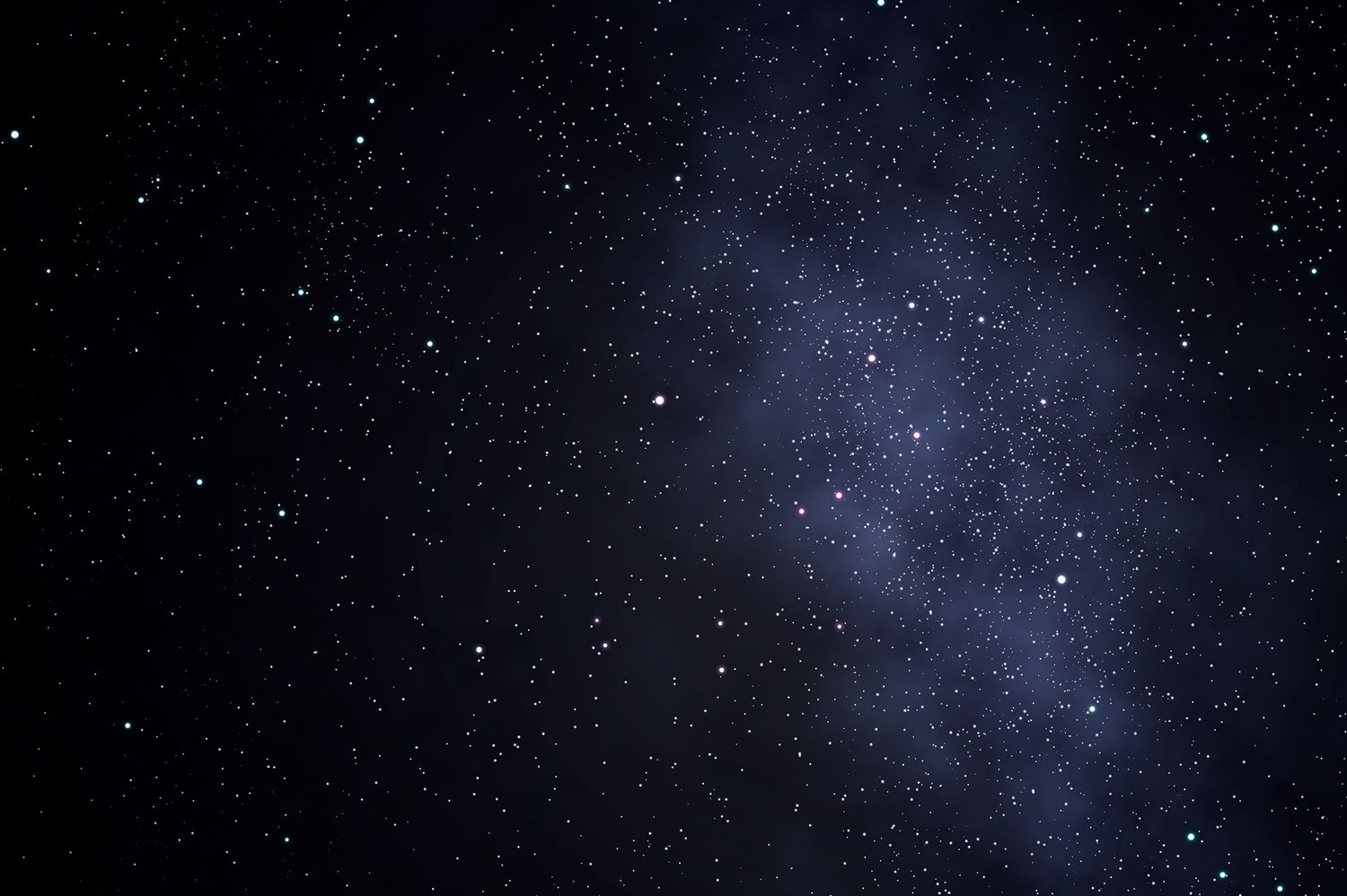
It sounds almost too simple, but the difference it makes is dramatic. When the moon is absent from the night sky, darkness returns in a way that feels almost ancient. Stars multiply. Constellations become easier to trace. And in truly dark places, the Milky Way often reveals itself as a glowing, dusty band stretching from horizon to horizon. Even destinations already famous for stargazing get a serious upgrade when moonlight is out of the picture.
I know—checking moon phases before booking flights or hotels can feel counterintuitive, especially when we’re trained to prioritize prices, availability, or weather. But here’s the reality: trips planned outside the new moon window often come with skies washed out by moonlight, or only brief windows of real darkness before the moon rises or after it sets. You might technically be in a dark-sky destination, but the sky itself never quite delivers.
I put this advice into practice recently while planning a trip to Long Island, a sparsely populated out island in the Bahamas known for minimal light pollution. Instead of booking around availability alone, I pulled up a moon phase calendar first and scheduled the trip to align with the new moon. Using this phase as your anchor generally gives you a sweet spot of dark skies for about three nights before and three nights after the new moon. It’s not a guarantee—tropical haze or clouds can always have their say—but at least I knew I wouldn’t also be competing with moonlight to see what was overhead.
For travelers curious about dipping a toe into astrotourism, checking the moon’s schedule is easier than you might think. NASA’s Daily Moon Guide offers quick, at-a-glance information based on date and hemisphere, making it a great starting point. If you want to go a step further, web apps like Stellarium let you preview the night sky from a specific location. You can see exactly when the moon rises and sets, how bright it will be, and what planets or celestial features might be visible during your stay.
Once you build this simple check into your trip-planning routine, it’s hard to unsee the benefits. Shifting travel dates by even a few days can dramatically improve night-sky conditions, transforming an already beautiful destination by day into something quietly unforgettable after dark.
Read the full article here