


The Amtrak Cardinal is one of the most underrated train routes in the country, stretching between Chicago and New York City across some of the most scenic parts of the Southeastern United States.
During its 1,146-mile journey, the Cardinal takes passengers through Indiana’s farmland and the Ohio River before climbing into the Appalachian Mountains. The train then follows the West Virginia New River, where passengers get a glimpse of the iconic New River Gorge Bridge. From there, the Cardinal continues through Virginia’s Shenandoah Valley and the nation’s capital, Washington, D.C., before making its final stop in New York City.
“[The Cardinal has]unforgettable views of the Southeast’s stunning natural beauty,” says Jason Abrams, Amtrak’s senior public relations manager. “You’ll see gently rolling horse country, the Blue Ridge and Allegheny Mountains, the Shenandoah Valley, and the wild white-water rivers of West Virginia, as they can only be seen by train.”
Unlike many other long-distance routes, the Cardinal runs just three times per week in each direction. Amenities are quite stripped down, and there are no observation cars on the 27.5-hour overnight ride. There’s coach and business class seating, as well as multiple private bedroom options, such as the spacious Viewfinder and the more snug Roomette.
Here’s what you need to know before riding Amtrak’s Cardinal.
Chicago
Jeremy Poland/Getty Images
Chicago’s Union Station serves as the departure point for the eastbound Cardinal. Before boarding, grab breakfast at classic diner Lou Mitchell’s. For something more contemporary, Canal Street Eatery and Market is only a few minutes from Union Station and serves house-made pastas and pizzas. Avec, a West Loop staple, pairs Mediterranean-inspired small plates with an excellent wine list, while Saigon Sisters serves elevated Vietnamese cuisine near the station. There are architecture tours that focus on buildings along the Chicago River, and the Art Institute of Chicago is just a short trip away. Hotel options include Nobu Hotel Chicago in the Fulton Market District, a short walk from Union Station with a rooftop bar, and The Langham.
Indianapolis, Indiana
Ultima_Gaina/iStockphoto/Getty Images
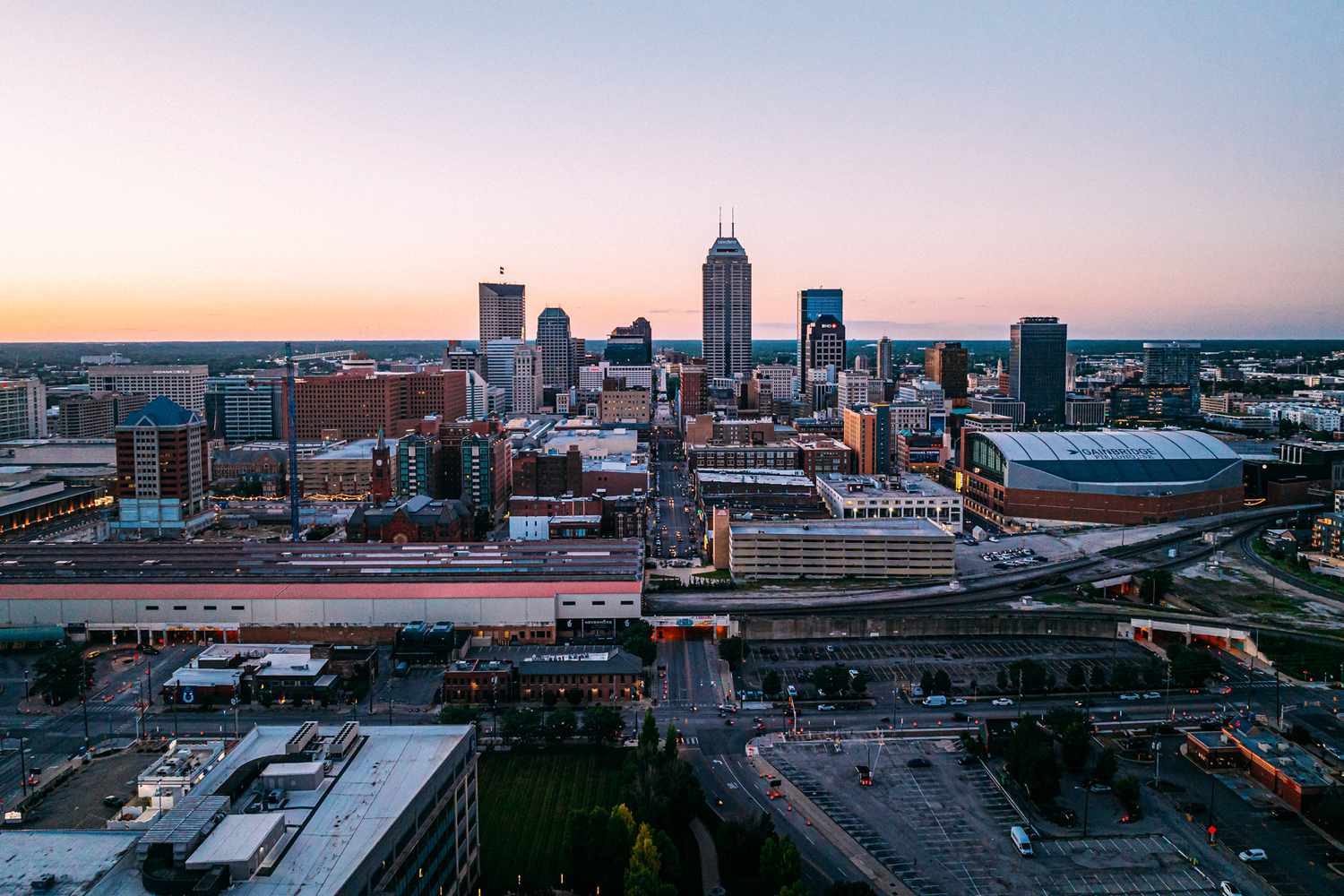
As the Cardinal heads east, Indianapolis marks the first major stop on its journey through America’s heartland. Indiana’s state capital is nicknamed the “Crossroads of America,” and its historic Union Station claims to be the world’s first Union Station. The Mass Ave Arts District is lined with galleries, restaurants, and independent shops, while racing fans won’t want to miss the Indianapolis Motor Speedway, home of the Indy 500. Try the horseradish-forward shrimp cocktail at St. Elmo Steak House, an Indianapolis institution since 1902, or the seasonal New American menu at Bluebeard in a converted warehouse. For accommodations, the Crowne Plaza Indianapolis Downtown Union Station lets guests sleep in restored Pullman train cars right inside the historic station, while the Omni Severin Hotel’s Bar Cardinale is a nod to the Cardinal line itself.
Cincinnati, Ohio
Kristin Brown/Cavan Images/Getty Images
The Cardinal stops at Cincinnati’s Union Terminal, an Art Deco masterpiece that now serves as both a train station and a museum complex. Its massive rotunda has stunning murals of Cincinnati’s history. Stop by the Over-the-Rhine neighborhood for restaurants, breweries, and Victorian architecture, or walk across the John A. Roebling Suspension Bridge (a prototype of the Brooklyn Bridge) for views of the skyline. Skyline Chili serves Cincinnati’s signature chili over spaghetti dish, or try the fresh housemade pasta at Wildweed. For a creative cocktail, stop by Homemakers Bar, or grab a beer in a former pre-Prohibition bottling plant at Rhinegeist Brewery. Stay at 21c Museum Hotel for a boutique experience in a contemporary art museum or at the historic Cincinnatian Hotel.
Charleston, West Virginia
Leonid Andronov/iStockphoto/Getty Images
Charleston, the capital of West Virginia, sits at the confluence of the Elk and Kanawha Rivers. One of the quieter stops on the route, it shows off Appalachian culture and hospitality. The gilded dome of the West Virginia State Capitol rises above the riverfront, and the West Virginia State Museum is worth a stop to learn about the state’s coal mining history. The nearby Sunrise Carriage Trail follows the Kanawha River for a short, forested walk. Grab a pizza and a craft beer at Pies & Pints, or try Hale House’s bourbon. Capitol Market houses all kinds of vendors selling fresh produce and prepared foods in a historic building. Accommodation options include the Four Points by Sheraton Charleston and the Embassy Suites by Hilton Charleston.
Charlottesville, Virginia
Hal Bergman/iStockphoto/Getty Images
After crossing the mountains of West Virginia, the Cardinal descends into Virginia’s Shenandoah Valley and makes a stop in Charlottesville, a college town with an impressive food and wine scene for its size. Monticello and the University of Virginia’s Academical Village are listed as a UNESCO World Heritage site, and the Monticello Wine Trail leads wine enthusiasts through the area’s top vineyards. In town, MarieBette Café is known for its baked goods, while Lampo is a great choice for Neapolitan-style pizza. The Alley Light is a speakeasy-style cocktail bar tucked in a side street. Keswick Hall is a worthy overnight stay if you don’t mind a little drive, the resort is set on 600 acres in the foothills of the Blue Ridge Mountains. Closer to downtown, The Draftsman is another great choice.
Washington, D.C.
Jim Feng/iStockphoto/Getty Images
Emerging from Virginia’s rolling countryside, the Cardinal arrives in Washington, D.C. The nation’s capital is worthy of a trip on its own, with its world-class museums, monuments, and restaurants. Union Station is a Beaux-Arts masterpiece, and the transportation hub connects the Amtrak to the city’s Metro train and bus system. The National Mall is unmissable, stretching from the Capitol to the Lincoln Memorial and lined with the Smithsonian museums, all free to enter. For food, Ben’s Chili Bowl has been a U Street institution since 1958, serving up half-smokes and chili. See why Oyster Oyster has rightfully earned its many accolades, or head to the revitalized Wharf district along the Potomac for waterfront dining. For accommodations, The Hay-Adams offers views of the White House, while The Jefferson, DC, is a restored 1920s landmark nearby. For maximum convenience, the Phoenix Park Hotel is a stone’s throw from Union Station.
Best Time to Ride
James Andrews/iStockphoto/Getty Images
You’ll experience a different version of the American landscape in each season on the Cardinal. Spring is one of the best times to ride, with wildflowers and lush green hillsides in West Virginia, while summer offers the longest daylight hours to watch the country roll by from your seat. Fall is when the Appalachian Mountains and the Shenandoah Valley turn rich with color, and the train winds through some of the most vivid foliage in the eastern U.S. Winter has its own appeal, with snow-dusted mountains and fewer crowds. The Cardinal’s three-times-weekly schedule means you’ll want to plan ahead and be flexible with your travel dates.
Read the full article here