


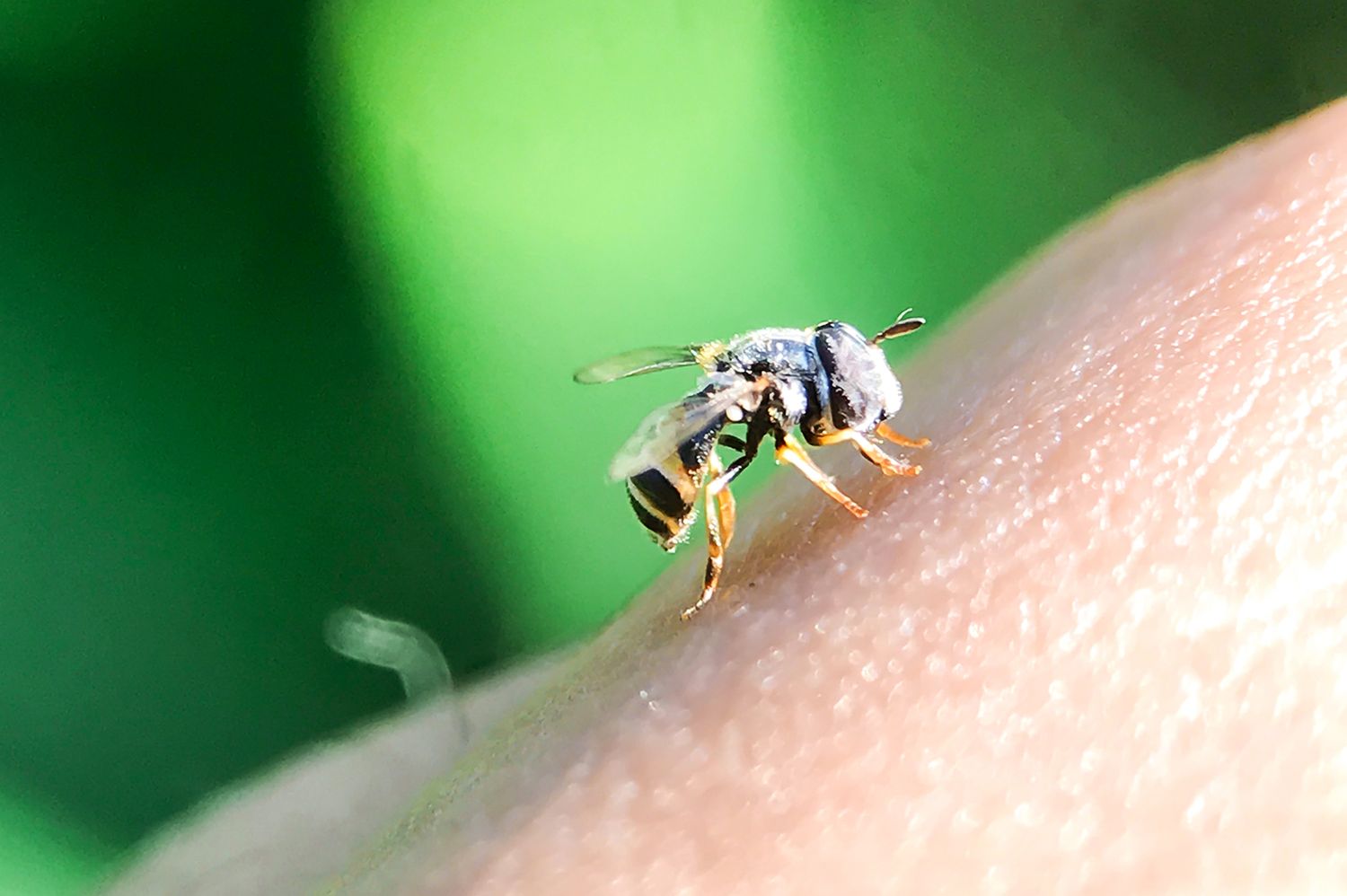
- Experts warn that sucking out bee venom or scraping a stinger with a credit card can worsen the sting and spread the venom.
- The best response is to remove the stinger quickly with a fingernail, then apply a cold compress and take antihistamines or pain relievers as needed.
- Bee stings are common in summer, but knowing proper first aid can help reduce pain, swelling, and the risk of further irritation.
Adventures often come with their share of bumps, scrapes, and mishaps—especially when you’re exploring somewhere new. But what’s more dangerous than the accident itself is how some people handle it on the road. Many travelers still rely on outdated first-aid “hacks” that can do more harm than good. Recent research by personal injury experts at Claims.co.uk found that seven in 10 Americans don’t even keep a first-aid kit at home, leaving many to improvise with quick, do-it-yourself fixes while traveling.
One of the most common warm-weather travel mishaps is a bee or wasp sting—whether it happens on a hike, at the beach, or during an outdoor meal. A popular myth is that you should try to suck out the venom, but that can actually make things worse, according to Jared Ross, a board-certified emergency medicine physician and professor at the University of Missouri. Ross explains that sucking doesn’t create enough suction to remove venom and instead increases blood flow to the area, which can cause the venom to spread.
Another commonly shared tip—scraping out the stinger with a credit card—isn’t ideal either, especially when you’re fumbling through a bag or wallet. Ross suggests using a fingernail instead, which is faster and more effective.
“While scraping the stinger out with a bank card or credit card can be effective, you really need to remove the stinger within 15 to 30 seconds to limit the amount of venom delivered,” he explains. “By the time you reach into your wallet and pull out a card, most if not all of that time has already passed.”
The main goal of treatment is to reduce swelling, pain, and itching. Ross recommends applying a cold compress and taking oral antihistamines for itching and over-the-counter pain relievers or a topical lidocaine cream for pain. Since the reaction results from your immune system rather than an infection, antibiotics are rarely necessary.
When you’re traveling, the goal is simple: reduce swelling, pain, and itching as quickly as possible. Ross recommends applying a cold compress, taking oral antihistamines for itching, and using over-the-counter pain relievers or topical lidocaine for discomfort. Because these reactions are driven by the immune system—not infection—antibiotics are rarely necessary.
For travelers heading out on active or adventurous trips, experts recommend packing a small, well-stocked first-aid kit and knowing when it’s time to seek medical care—especially when you’re far from home.
Read the full article here