


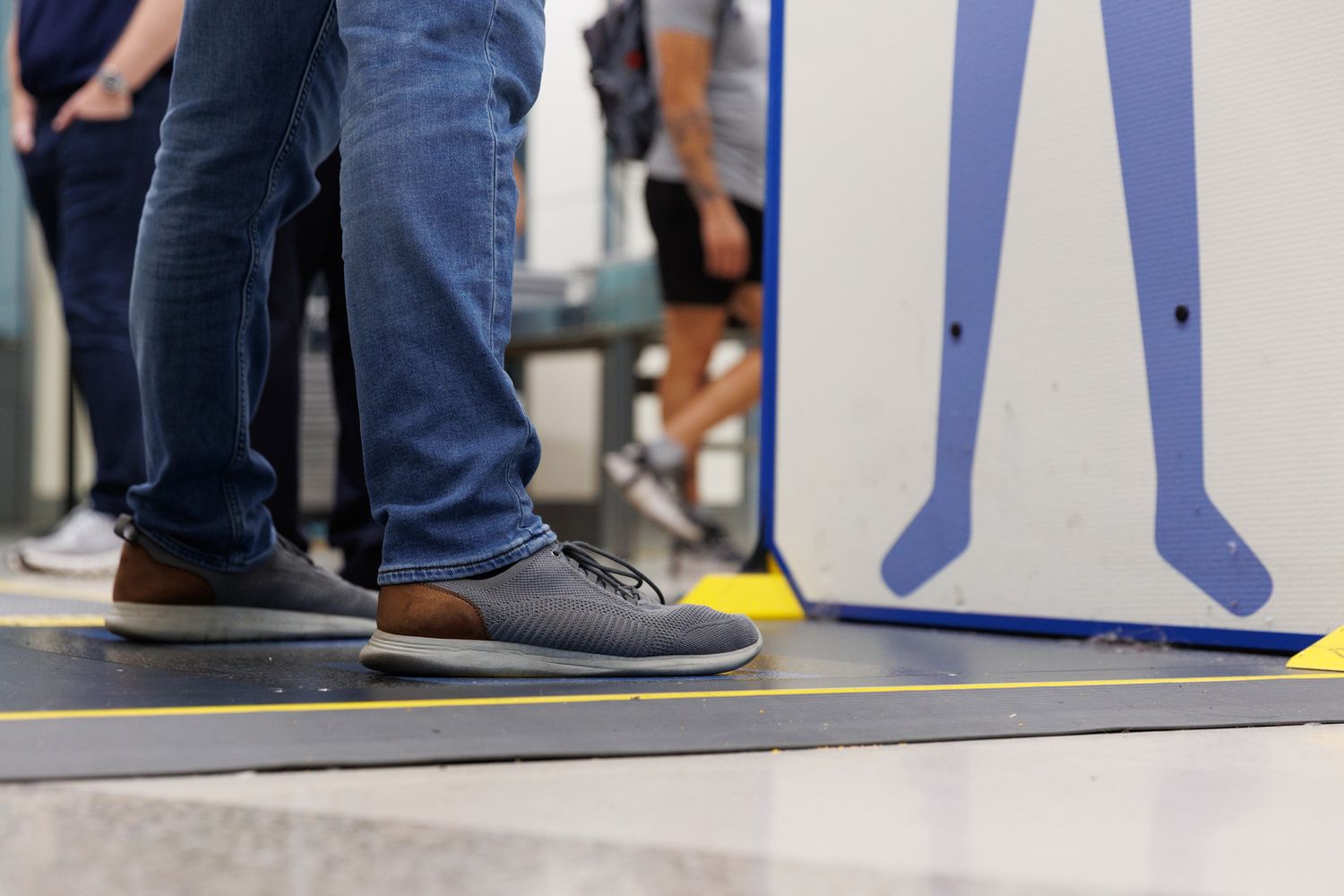
When it comes to air travel, passing through a Transportation Security Administration checkpoint is really the first leg of your trip. What most travelers don’t realize is that how fast you get through the line can actually depend on you. To keep the process efficient, we asked a TSA representative what slows down security screening the most, and how to aim for a seamless experience next time you fly.
Forgetful Travelers
Salameh Dibaei/Getty Images
First and foremost, the biggest cause for slowdowns at checkpoints is when passengers simply forget the TSA’s key rules. Those who try to bring “prohibited items like liquids over 3.4 ounces and firearms” through the checkpoint will ultimately slow down the process, a TSA representative told Travel + Leisure. Small oversights can add up quickly, and even the most well-traveled passenger can recall a time when they forgot they had a half-filled water bottle or a small pocket knife, leading to extra time in line.
Another common mistake TSA agents often see is when passengers leave electronics in carry-on bags. Any personal electronic device larger than a cell phone, like laptops, tablets, and e-readers, needs to come out of a bag and go into a bin on its own. When these are left in your bag, the bag gets flagged, pulled, and screened again, backing up the line for everyone behind you.
The other cause for slowdowns isn’t in your baggage, but on your body. Not fully emptying your pockets before walking through the scanner can trigger the alarm, requiring a full physical screening by a TSA officer.
Lines Can Get Worse During Peak Travel Times
Mark Felix/Bloomberg/Getty Images
Holidays and popular travel times like spring break make TSA lines even busier with the increased number of travelers passing through. In fact, during 2025’s Christmas and New Year’s travel season, the TSA screened over two million passengers a day.
Any flight disruptions during busy times can also jam checkpoint lines unexpectedly.
“Passenger volumes increase tremendously,” the TSA representative said. “Flight cancellations or delays may compound travel volumes at certain times of the day.”
There’s also a chance that holiday or spring break fliers are not as familiar with the TSA rules, which can create a bottleneck of flustered passengers scrambling to take out their laptops right at the conveyor belt.
“Passengers flying for spring break, who typically haven’t flown before, and other high-travel seasons should plan ahead and allow for extra time and potential delays,” the representative said.
Be Prepared in Advance
Lori Van Buren/Albany Times Union/Getty Images
When packing, the rep recommends starting with an empty bag. If you’re unsure about whether you can bring an item, they suggest visiting the What Can I Bring? page on the TSA’s site or texting AskTSA at 275-872 to double-check. It’s also worth noting that a traveler’s carry-on luggage and personal item need to be a specific size to get through.
A pro tip to save time? Travelers looking for a smoother process at the checkpoint should consider applying for TSA PreCheck. The Trusted Traveler program allows passengers to keep their shoes on and their electronics in their carry-on.
Regardless of PreCheck status, though, another aspect to consider is your ID.
“Check your ID to make sure it’s REAL ID compliant or [the website] for other acceptable forms of identification,” the TSA rep advised. The agency requires state-issued ID to be REAL ID-compliant. Those without a compliant ID will have to pay a $45 fee to use TSA ConfirmID to verify who they are.
And once you’re at the checkpoint, pay attention. “Listen carefully for instructions from our [officers] — they may redirect passengers to other, less busy lanes to help screen passengers faster,” the representative explained.
Check the rules, pack smart, empty your pockets, and leave the turtles at home. The few minutes you pause before heading to the checkpoint can keep you from holding up the line, and TSA agents, as well as fellow passengers, will be thankful for your savviness.
Read the full article here