


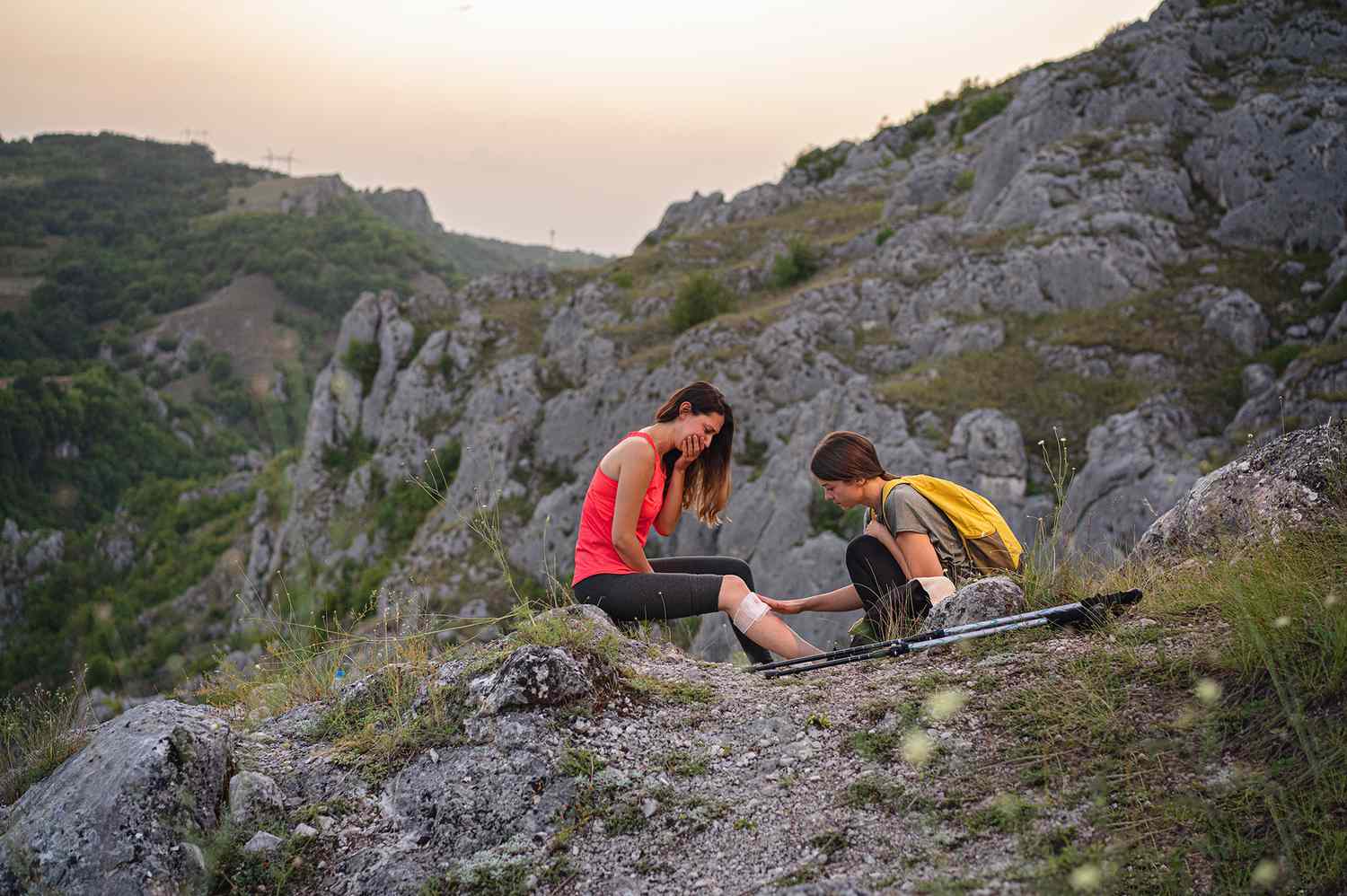
When it comes to first aid on the road, many travelers have been there: a small nick or cut in a new place, followed by a quick reach for hydrogen peroxide in hopes of preventing infection. The fizzing bubbles can feel reassuring, as if germs are being wiped out on contact. But medical guidance has shifted in recent years—and according to research from personal injury claims support site Claims.co.uk, that long-held belief may actually be doing more harm than good.
“Most small cuts or scrapes don’t require aggressive chemical disinfectants to heal properly,” says Jessica Peatross, an internal medicine doctor and founder of Wellness Plus by Dr. Jess MD. “In fact, applying hydrogen peroxide or iodine directly to a fresh wound can actually damage the cells … that are trying to rebuild the tissue.”
Instead, she recommends rinsing minor cuts with clean, running water as the first (and most important) step. If you’re traveling or outdoors and only have bottled drinking water on hand, that works just as well. “This helps wash away dirt, bacteria, and debris without stripping the body’s natural healing factors,” she explains.
After cleaning, Peatross suggests gently patting the area dry and covering it with a sterile dressing to protect it from new contaminants while keeping the wound slightly moist. For those who want to go a step further, a mild saline solution can be used—but simplicity is key. “There’s no need to overcomplicate things,” she says. “Your immune system, clotting factors, and skin cells are already working hard to repair it. All you need to do is provide the right environment for them to thrive.”
This advice applies only to minor injuries. Deep cuts, heavy bleeding, wounds caused by dirty or rusty objects, or signs of infection—such as redness, swelling, or pus—should always be evaluated by a medical professional. And while hydrogen peroxide may not belong in your everyday travel kit, antiseptics can still be useful in higher-risk situations when medical care isn’t immediately available.
For travelers, this updated guidance is a reminder that packing a simple, well-stocked first-aid kit—and knowing how to use it—can make handling minor injuries abroad far less stressful.
Read the full article here