


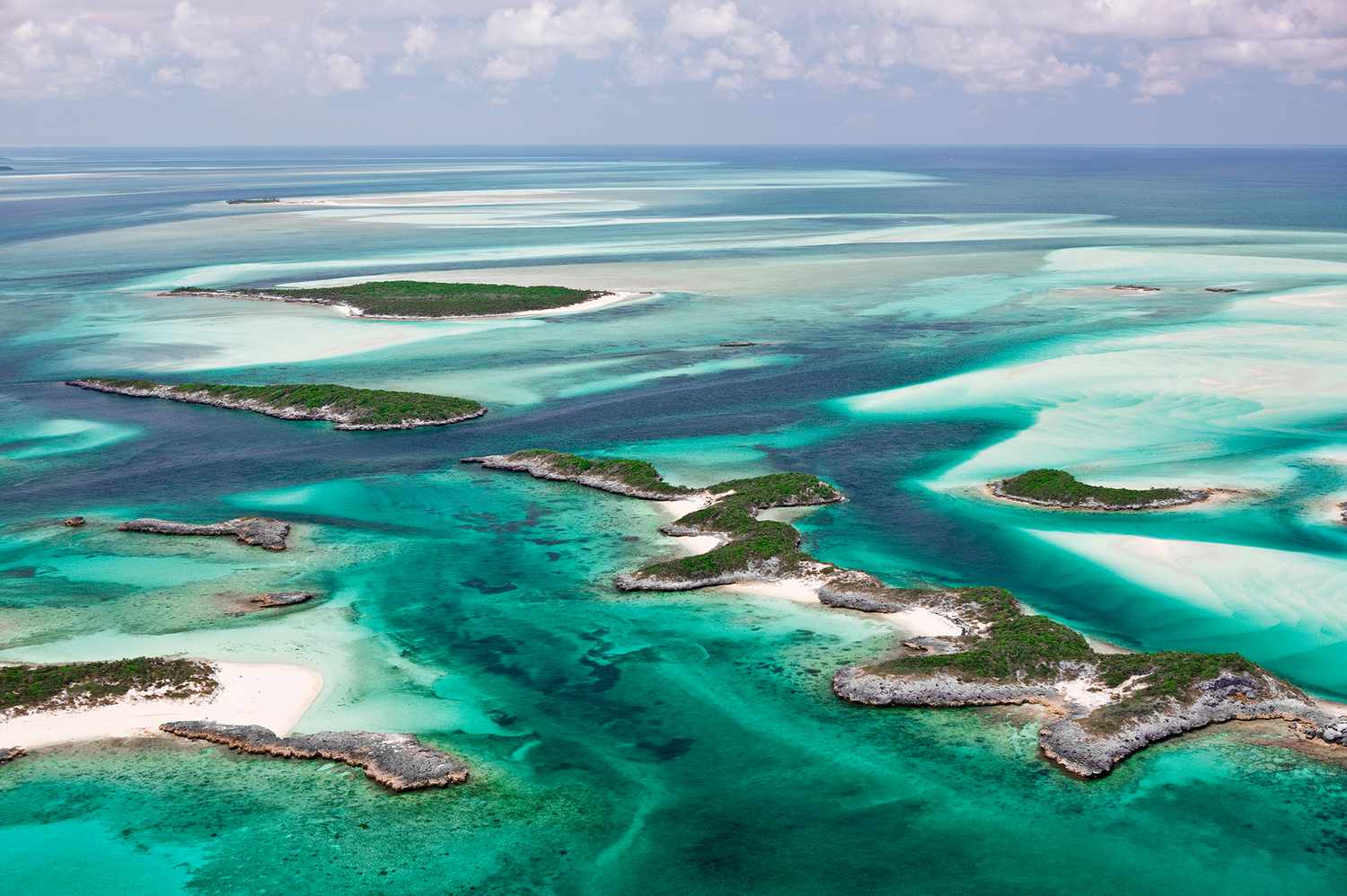
- Bitter Guana Cay in the Bahamas is home to the rare Exuma Island iguana, a nearly extinct species found nowhere else in the world.
- Fewer than 5,000 of these prehistoric-looking reptiles remain, and visitors can see them on guided day trips from nearby islands.
- Beyond its unique wildlife, the uninhabited cay offers white sand beaches, turquoise waters, and excellent snorkeling.
You have probably heard of the swimming pigs of the Bahamas. But have you heard about the country’s rare iguanas?
The Exuma Island iguana is nearly extinct and roams freely in one of the country’s uninhabited islands. The fascinating, prehistoric-looking creatures can only be found in Bitter Guana Cay in the Exumas, a chain of 365 islands and cays that’s part of the larger nation of the Bahamas. The cay, which has earned the moniker, Iguana Island, for its unusual residents, also happens to be one of the most stunning places to visit for those who make the trip.
Bitter Guana Cay is just less than 90 minutes from the Bahamas’ capital, Nassau, and less than 300 miles from Miami. However, the rugged uninhabited island feels like a world away, with its white sand beaches, turquoise waters, and its reptilian residents. The iguanas that live here—the Exuma Island Iguanas—are indigenous to Bitter Guana Cay and are not found anywhere else in the world.
Scientists believe that over the last three million years, Bahamian iguanas, who prospered in their relative isolation, are believed to have split into three subspecies: the Andros Island iguana, the Allen’s Cay iguana, and the Exuma Island iguana. Today, it’s estimated that there are a mere 5,000 of the Exuma Island iguanas left on earth, and threats of illegal hunting and predators like wild dogs and pigs remain.
imzola/Getty Images
Visiting the creatures is a popular day trip from nearby islands and companies like Exuma Experiences and Majestic Tours offer easy ways to get there. In addition to bringing you to the otherwise hard-to-reach spot, these tour companies will also provide you with some iguana diet-approved snacks to feed them when you arrive.
Due to the number of visitors to the island, the iguanas are known to be friendly and used to people. Their brown bodies have light pink tones and can grow between two and four feet long. Their scientific name, Cyclura, comes from their distinct, thick, ringed tail. A ridge along the spine actually radiates heat from their body and can be used to intimidate predators.
If you’re lucky enough to visit in the summer, chances are you might see the female iguanas lay their eggs in the island’s warm sand. The eggs will incubate in the sand for three months, and for those who survive, the iguanas can go on to live up to 40 years.
While these unusual animals are the island’s main draw, don’t forget to leave without taking a dip in the clear water or snorkeling around its shallow shores.
Read the full article here