


While traveling with people you love certainly is special, there’s a particular joy that comes from going it alone. When you travel solo, there’s no need to compromise, no need to wait for someone else, and no need to do anything other than exactly what you want to do at all times. And if you’re looking for a little inspiration on a destination that makes solo travel feel effortless, the travel pros we spoke to all agreed on one spot.
Six different travel experts we spoke to all independently landed on Japan as their top pick for solo travel—and their reasons why were remarkably consistent: safe streets, intuitive public transit, and a culture that celebrates dining alone.
“Japan is one of the most rewarding places in the world to travel solo,” Jessica Klauzenberg of Timbuktu Travel shared with Travel + Leisure. “It is exceptionally safe, the country itself is immaculately organised and easy to travel in, and the people are thoughtful and sensitive to solo travelers. Solo travel in Japan is a liberating experience.”
Whether you’re a seasoned solo traveler or nervously planning your first trip without a companion, here’s why Japan should be at the top of your must-see list.
The logistics are almost too easy in Japan.
A major anxiety point that comes with solo travel is figuring out how to get around. But as anyone who’s visited Japan will tell you, the nation has absolutely perfected public transportation. And not just in its cities. The bullet train, or Shinkansen, connects the country so efficiently that you can have breakfast in Tokyo and wander Kyoto’s temple gardens by lunch.
“Bullet trains knit the country together,” Bryce Collins of INTRO Travel said. Collins also recommended the overnight Sunrise Seto sleeper train as a memorable alternative to daytime travel. “It runs overnight between Tokyo and Takamatsu. You get to break out of your hotel routine for a night and enjoy the experience of waking up to rice paddies in the countryside at dawn.”
And within the major cities, the transit systems are equally user-friendly. Dana Yao, a travel writer who previously lived in Tokyo, called the city’s public transportation system a standout feature for solo visitors. “This is great for getting around the city without driving, exploring neighboring towns with a single train ride, and even getting across the country,” she says, adding that the Tokyo Metro Pass—available for 24, 48, or 72 hours—is a must-buy for anyone planning to hop between neighborhoods.
Eating alone is an art in Japan.
Dining alone can feel a bit awkward at first. Japan, however, has solved this problem in a rather elegant way: by making counter service the norm. “Enjoying sushi in Tokyo at an intimate counter and watching the chefs work, soaking in a private onsen, wandering in the temple gardens in Kyoto—none of these require companions and are easy to do for individuals without feeling self-conscious,” Klauzenberg said. Collins agrees, pointing to the vending machine ticketing system at ramen shops as a perfect example.”Eating alone is just normal,” Collins said. “Get a ticket at the vending machine, grab a seat at the counter, and you have a steaming tsukemen meal in minutes,” no awkward table-for-one moment required.
Tokyo and Kyoto each offer something special.
While there are plenty of places to explore around Japan, most experts suggest first-time visitors split time between its two most iconic cities as they offer opposite energies that together help paint a complete picture of the country.
Tokyo, as Yao put it, offers endless smaller neighborhoods to explore, each with “its own charm, from upscale neighborhoods like Ginza to history-filled temples in Asakusa.” Yao recommended visiting spots like the immersive digital art experience at teamLab Borderless in Azabudai Hills, checking out the sweeping views from the Tokyo Skytree observation deck, and, perhaps most importantly, nabbing a fruit parfait at Ginza’s Senbikiya, a high-end fruit shop with a café that has to be seen to be believed.
Clarissa Cappelletti of WeRoad also highly recommended spending time in Tokyo and visiting the Senso-ji Temple, the city’s oldest temple, founded in the 7th century. “Before leaving, make a wish with an omikuji, a fortune-telling ritual combined with a wish-making tradition,” Cappelletti said.
Kyoto, on the other hand, is far more subdued, making it a perfect spot to wind down, according to Rob DelliBovi, CEO of RDB Hospitality Group. “Kyoto offers a calm, structured beauty that works incredibly well for traveling alone,” DelliBovi said. “You can spend your mornings exploring temples like Kinkaku-ji or Fushimi Inari, walk through traditional neighborhoods such as Gion, and enjoy multi-course kaiseki meals.” And once again, here, he shared, “solo dining is common and culturally comfortable.”
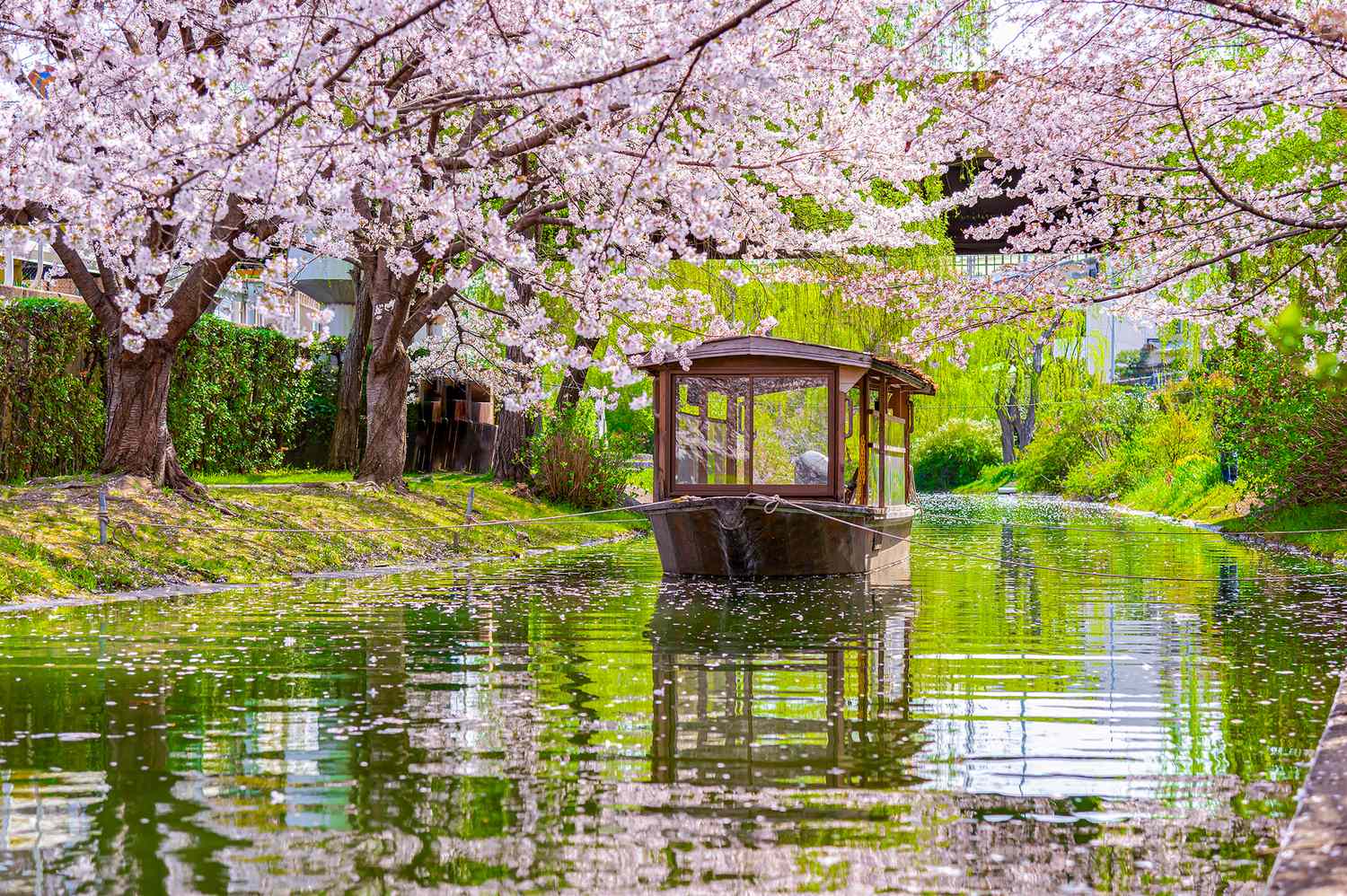
Micaela Martinelli of Nuba Travel echoed the sentiment, calling Kyoto “safe, contemplative, and immersive,” adding that the city’s early cherry blossom season is a particularly magical time to visit.
Hot tip: go when no one else is there.
Like all popular places, Japan can get rather busy (the nation welcomed a record-breaking 42.7 million visitors in 2025), so if you’re looking for a bit more serenity, it’s best to resist its high seasons. And for the most part, that does mean skipping the cherry blossom season entirely. But that’s OK, because according to the pros, there’s another season that may be even better.
“The autumn foliage in November is just as spectacular, and far quieter,” Klauzenberg shared. Then again, any day in Japan could be a perfect one. “Japan rewards the unplanned,” Klauzenberg said, “and when you travel solo, you can do just that.”
Read the full article here