


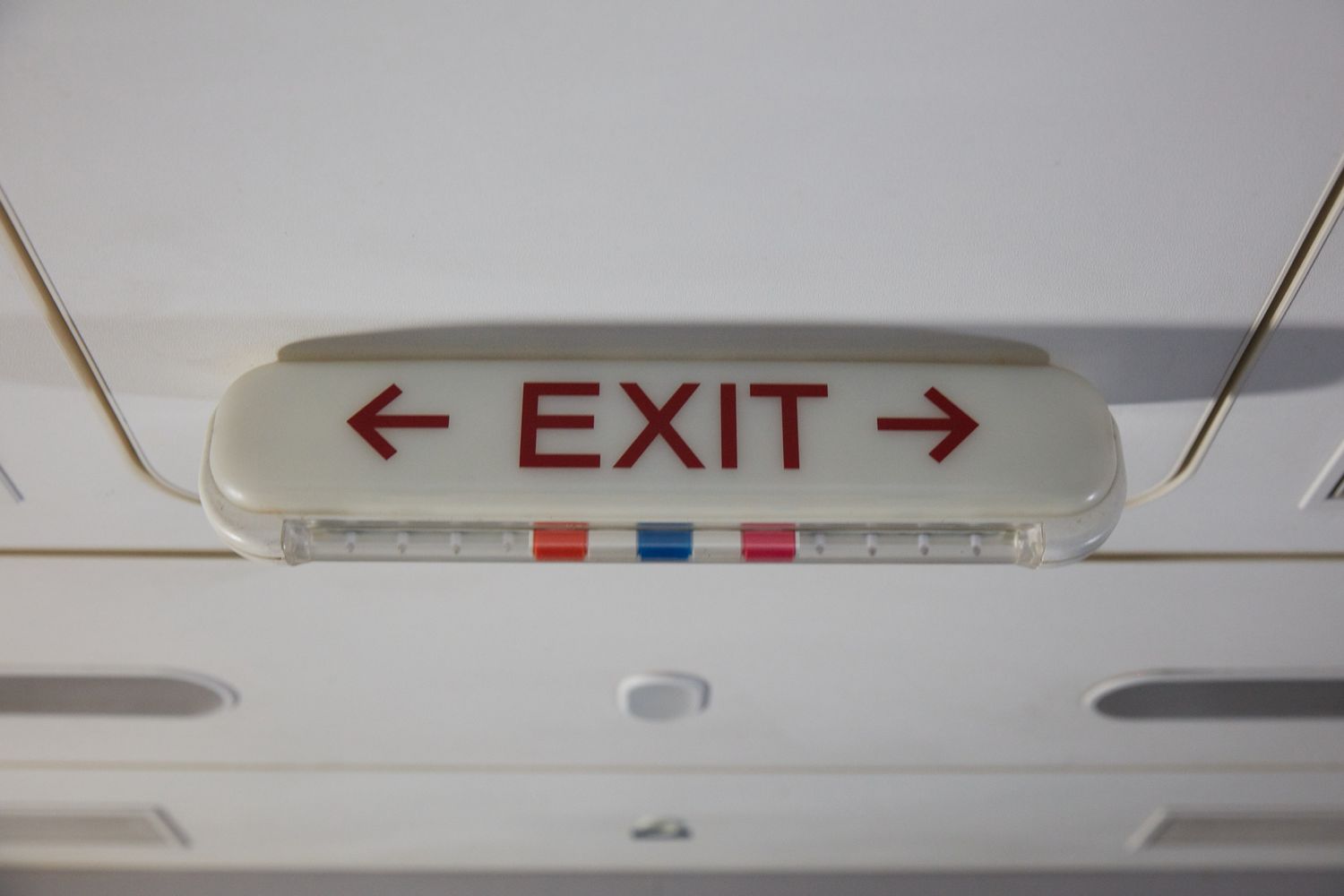
- Passengers in exit row seats must meet specific physical and language requirements to assist in emergencies.
- Flight attendants enforce rules and brief passengers to ensure safety responsibilities are understood.
- These rules prioritize passenger safety over comfort or convenience during flights.
For many travelers, snagging an exit row seat feels like a win, with more legroom and extra space for a noticeably more comfortable flight. In fact, it’s often one of the first upgrades people look for when booking.
However, these seats come with real responsibilities that are easy to overlook. Most passengers have heard the safety announcements and, at some point, let them fade into the background. However, sitting in an exit row isn’t something you can just tune out.
According to the Association of Flight Attendants-CWA (AFA-CWA), the union representing more than 55,000 flight attendants at 20 airlines, exit row seating isn’t about comfort—it’s about safety. Passengers seated there are considered part of the aircraft’s emergency response and are expected to assist if needed.
Unsurprisingly, the union also tells Travel + Leisure that exit row rules are taken seriously. While procedures can vary slightly by airline, all U.S. carriers follow the same federal requirements. Flight attendants are the ones making sure those rules are followed, and if a passenger doesn’t qualify or isn’t willing to help, they’ll be moved out of the exit row.
Who Can—and Can’t—Sit There
There are clear federal rules about who can sit in an exit row. To qualify, passengers need to be physically able, alert, and ready to help in an emergency. That means understanding instructions, opening the exit when needed, helping others if needed, and following directions from the crew. Still, not everyone who books one of these seats actually qualifies. According to the AFA-CWA, the most common reasons include:
- Being unable to read, speak, or understand English well enough to follow safety instructions
- Being under 15—or responsible for a child under 15
- Not meeting mobility requirements or needing a brace or assistance
Another frequent issue is that passengers select exit row seats without realizing the rules apply. The union notes that while travelers are asked to confirm they meet the criteria during booking or check-in, not everyone reads the details closely. If it’s later determined that someone doesn’t qualify, they’ll be reassigned—often after boarding, when fewer seat options remain.
Margot Cavin/Travel + Leisure
What Travelers Often Get Wrong
Misunderstandings about exit row seating are more common than you’d expect. The AFA-CWA highlights several of the most frequent misconceptions:
- Moving into an empty exit row seat isn’t allowed without crew approval—even after takeoff, since passengers must still meet all criteria and receive a briefing.
- Wearing a cast or brace may disqualify a passenger unless they can safely perform all required duties.
- One qualified passenger isn’t enough—every person in the row must independently meet the criteria and agree to assist.
- Headphones during the briefing aren’t permitted, as passengers must be able to hear, understand, and verbally confirm the instructions.
- Pets—including service animals—are never allowed in exit rows.
- Not all exit rows offer extra legroom, and some seats may not recline.
The union also notes that some policies can vary by airline. For example, certain carriers may restrict seatbelt extensions in exit rows, require window shades to stay open during parts of the flight, or have stricter rules on where carry-on bags can be stored.
What Happens Before Takeoff
Before departure, flight attendants walk through the exit rows to ensure everything is ready. The AFA-CWA tells T+L that the checklist includes verifying that the safety card is in place, ensuring the exit is clear, and confirming that slides and door settings are properly set.
As passengers take their seats, crew members keep an eye on each row to ensure everyone meets the requirements. Once boarding wraps up, they give the exit-row briefing—making sure passengers can hear the instructions and asking each person to confirm they’re willing and able to help in an emergency. If someone doesn’t meet the criteria or just doesn’t want the responsibility, they’re moved to another seat. Before the door closes, the crew also confirms that all exit rows have been checked and briefed.
Why It Matters
In an emergency, timing is critical. Passengers seated in exit rows may be responsible for opening exits, directing others, and helping people evacuate quickly. Passengers who choose these seats need to be ready to assist if something goes wrong, and flight attendants are tasked with making sure the right people are in those seats before takeoff. That’s why the rules are enforced consistently across airlines: These requirements are tied directly to passenger safety, not comfort or convenience, according to the AFA-CWA.
Read the full article here