


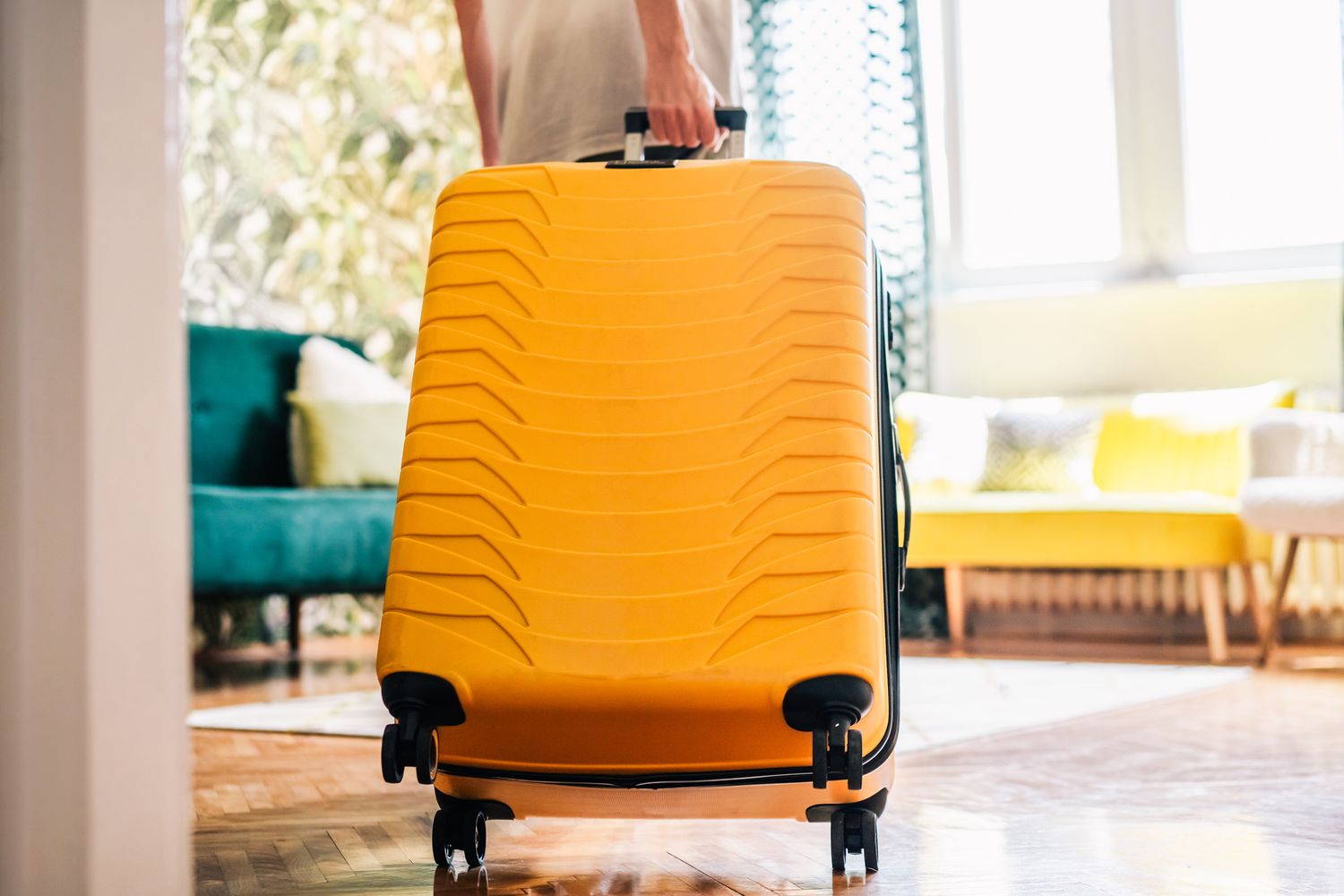
- Taking photos of your suitcase exterior, contents, and baggage tag helps airline staff identify and locate lost luggage more efficiently.
- Images provide useful documentation for insurance claims by verifying what was packed and linking the bag to its owner.
- Travelers should also photograph new purchases during their trip to ensure those items can be included in any potential claims.
While photos of your checked luggage may not be what you expect to include in your travel pics, taking a few snaps of your suitcase may be a smart move in case your bags are delayed, damaged, or lost en route.
“We always recommend that clients photograph their luggage before a trip, including the exterior of the bag, the luggage tag, and the contents inside,” Rob Merlin, a travel advisor at SmartFlyer, told Travel + Leisure.
In addition to just being able to identify your luggage to an airline employee, photos also provide peace of mind and evidence for insurance purposes, should anything happen to your bag and what’s inside it.
“Photos of a suitcase and its contents help insurers verify the lost or damaged items,” said Christina Tunnah, general manager of marketing and brands and the Americas at travel insurance company World Nomad.
Here are the reasons why you should always take a photo of your checked bag.
It gives airline staff a more precise way to identify your bag.
KSChong/Getty Images
If your luggage doesn’t arrive at baggage claim, the first step you should take is to file a report, which usually starts with providing a description of your bag. Since many bags share the same characteristics (think a black, medium-sized, hard-shell suitcase, for example), listing any unique attributes will help.
This is where a photo can come in handy, since it can capture forgettable details like the brand logo or distinguishing marks and visible wear. It’s worth noting that these are the descriptors that baggage agents use when trying to pick your suitcase from a lineup of lookalikes or while reviewing items held at another airport.
It can also streamline how the form is filled out by the agent—instead of working through a series of clarifying questions, you can provide a clear visual reference immediately.
It creates a record of what you packed.
iStockphoto/Getty Images
If your bag is delayed for several days—or doesn’t arrive at all—you may need to submit a detailed account of its contents at the request of the airline and insurance provider.
Photos of the inside of your suitcase provide a simple way to document what you packed. They don’t need to be exhaustive, but pictures can help capture the overall contents, as well as any higher-value items.
From a claims perspective, this kind of documentation can be important. Tunnah notes that one of the most common gaps is missing proof—particularly receipts and evidence of ownership for more expensive items like electronics or gear. Photos don’t replace receipts, but they help establish that items were present, which can make the claims process more straightforward.
“The more information you can provide to the claims department, the more likely your claim will be processed quickly,” Tunnah added.
Remember your bag tag.
iStockphoto/Getty Images
While you took photos of your bag at home, it’s also important to take a quick picture of the baggage tag that you receive upon handing over your luggage. The tag, which acts as your suitcase’s main reference point, has a barcode and tracking number that’s monitored as it moves through the system.
Because the physical tag or receipt can be misplaced, having a photo of it provides a reliable backup. This can be especially helpful if you need to file a report or follow up with the airline later.
Tunnah notes that images of the luggage tag alongside identifying details—such as your name and contact information—can also support claims by linking the bag directly to you.
In these situations, airlines are also here to help thanks to the increased presence of digital tracking tools. United Airlines, for example, now offers a bag-tracking feature in its app that allows travelers to follow luggage throughout the journey, with updates similar to package delivery tracking. The airline has also integrated Apple’s Share Item Location feature, allowing travelers who use an AirTag or similar device to share their bag’s location directly with customer service if it’s delayed.
Even with extra tools, though, having your own photo record—of the bag and the tag—adds a layer of redundancy.
Your souvenirs deserve pictures, too.
Getty Images
What you pack at the start of a trip is only part of the picture. Many travelers return with additional items—clothing, gifts, or gear—that end up in their checked luggage. If that bag is delayed or lost, those purchases may be included in a claim—but only if they can be verified.
“The biggest mistake travelers make is not documenting new purchases made while traveling,” Merlin shared.
Tunnah adds that claims teams need to confirm both the existence and value of lost items, often factoring in depreciation when determining reimbursement. “Travel insurance is meant to make you whole, not buy you a new wardrobe or a new cell phone,” she said.
Read the full article here